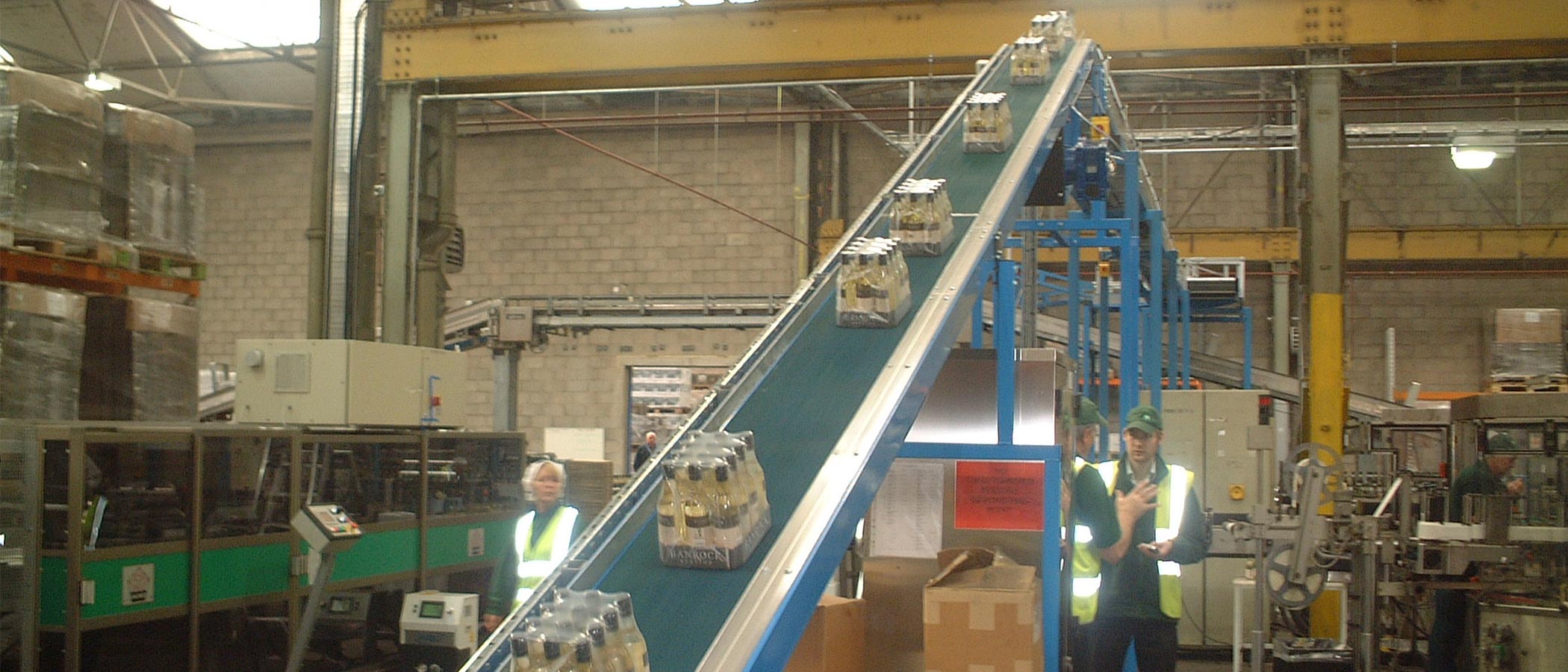
Amber Automation Level & Incline Belt Conveyors
Belt conveyors are mainly used for the movement of light to medium weight goods. They can accommodate irregular shaped and semi-solid items such as packages, bags or sacks containing powder or granular material, bundles or stacks of flexible material and single items of variable shape and size.
Unlike powered roller conveyors belt conveyors do not require the load to have a flat underside in order to gain traction. They are particularly useful for carrying small items that would otherwise fall between the gaps of a roller conveyor, plus their smooth movement is gentle on fragile products and reduces the likelihood of them toppling over.
Belt conveyors do however have their limitations, as their suitability depends on the weight and characteristics of the load, while belts can also be susceptible to damage from sharp and abrasive products.
Amber Automation’s portfolio of belt conveyors includes level, incline and decline straight conveyors, swan neck conveyors and level and spiral curved conveyors.
Level Straight Belt Conveyors
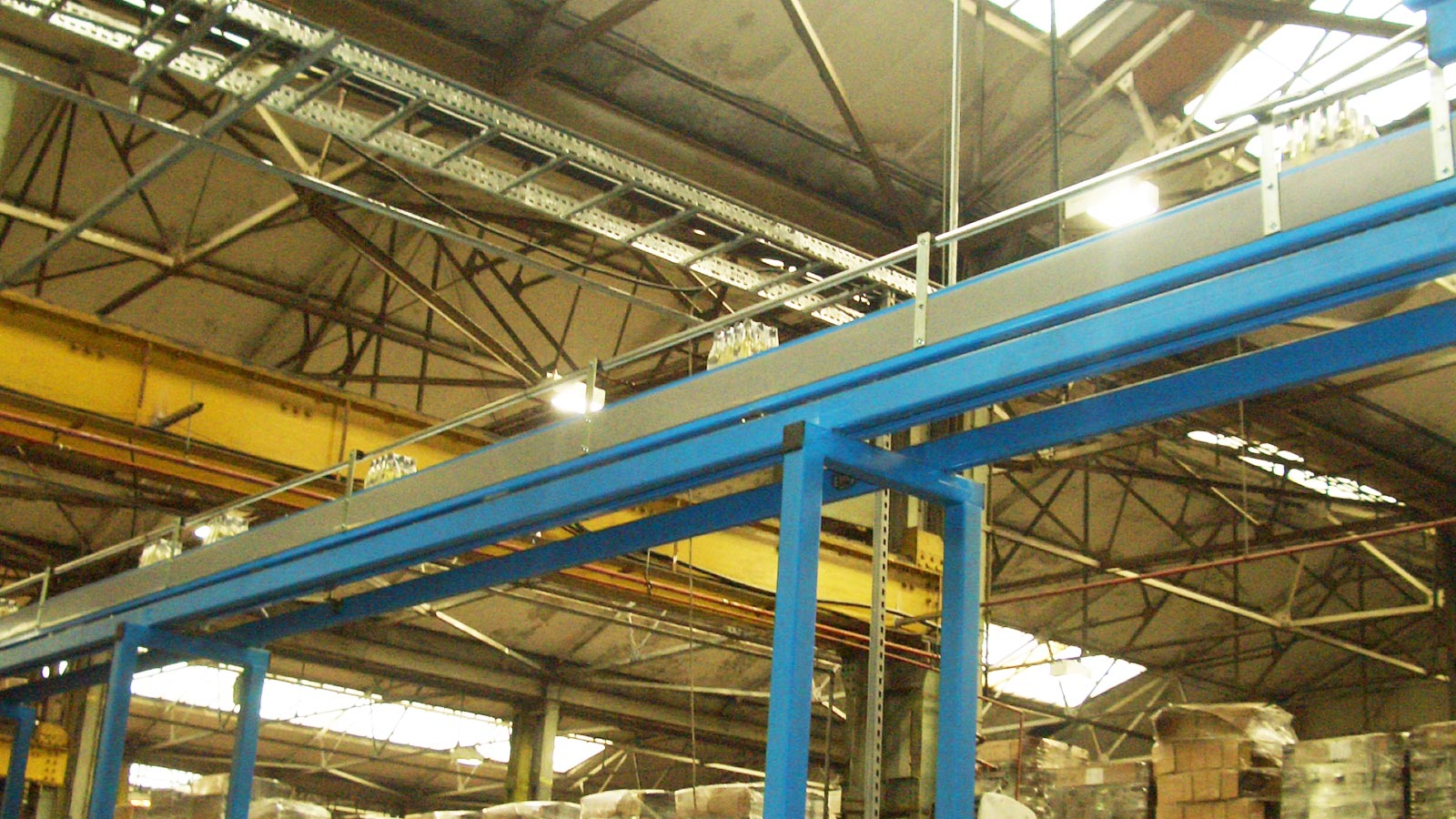
Level straight belt conveyors can provide an alternative to powered roller conveyors by using a PVC or similar belt for the simple transportation of a wide variety of items.
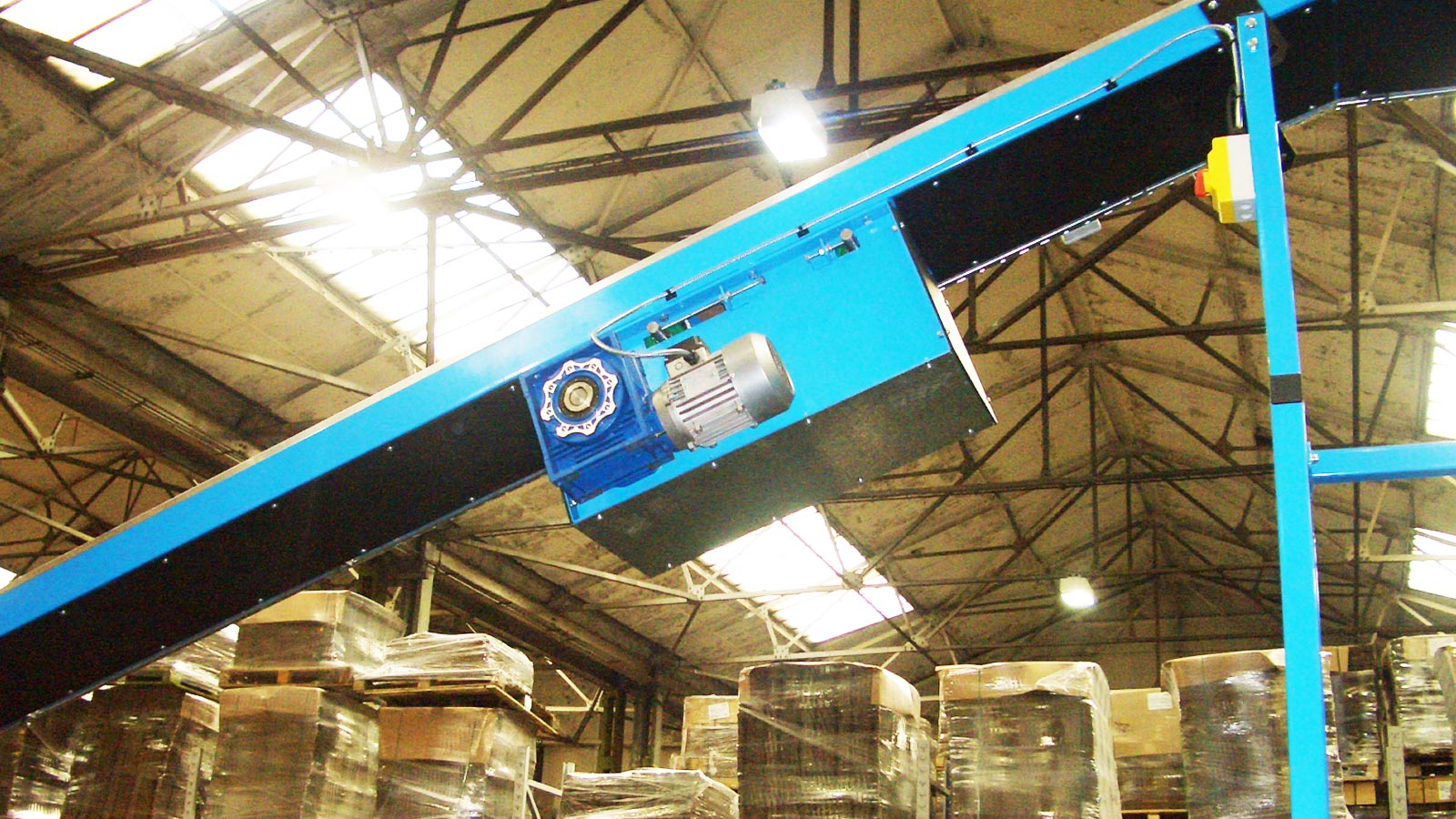
They can be driven by a geared motor unit or for lighter duties by a motorised drum/roller.
The belt typically runs on a slider bed, however for very long conveyors or where very high speeds are required the belt may run on top of a series of rollers. This reduces the overall amount of friction on the underside of the belt.
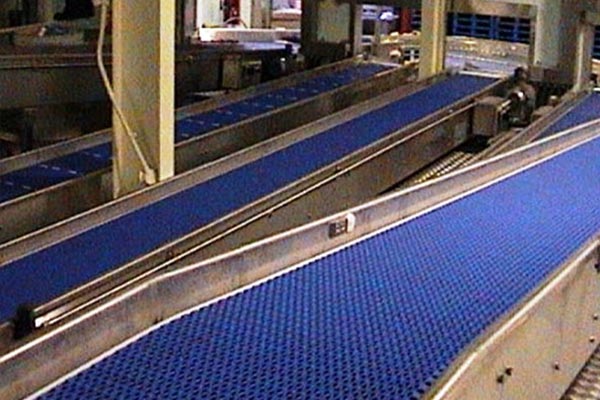
Within our range of belt conveyors, options include:
- Light/medium duty up to 50Kg/m, Heavy duty to 200Kg/m and above
- Straight horizontal conveyors, Straight inclined conveyors, Horizontal and spiral belt curves
- Drives: Drum drives. End (shaft mounted) drives, Underslung centre drives
- Dimensions: various widths and lengths available to suit
- Robust and durable design and construction
Incline/Decline Straight Belt Conveyors
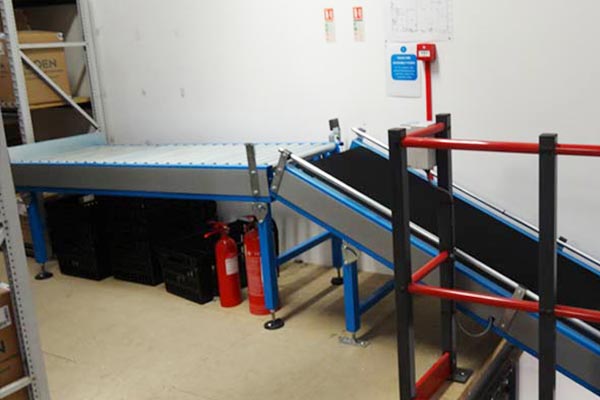
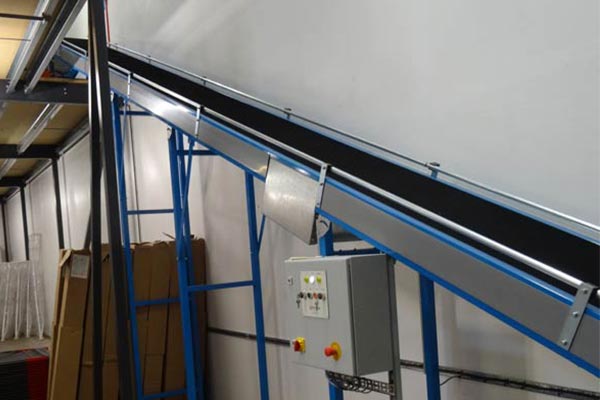
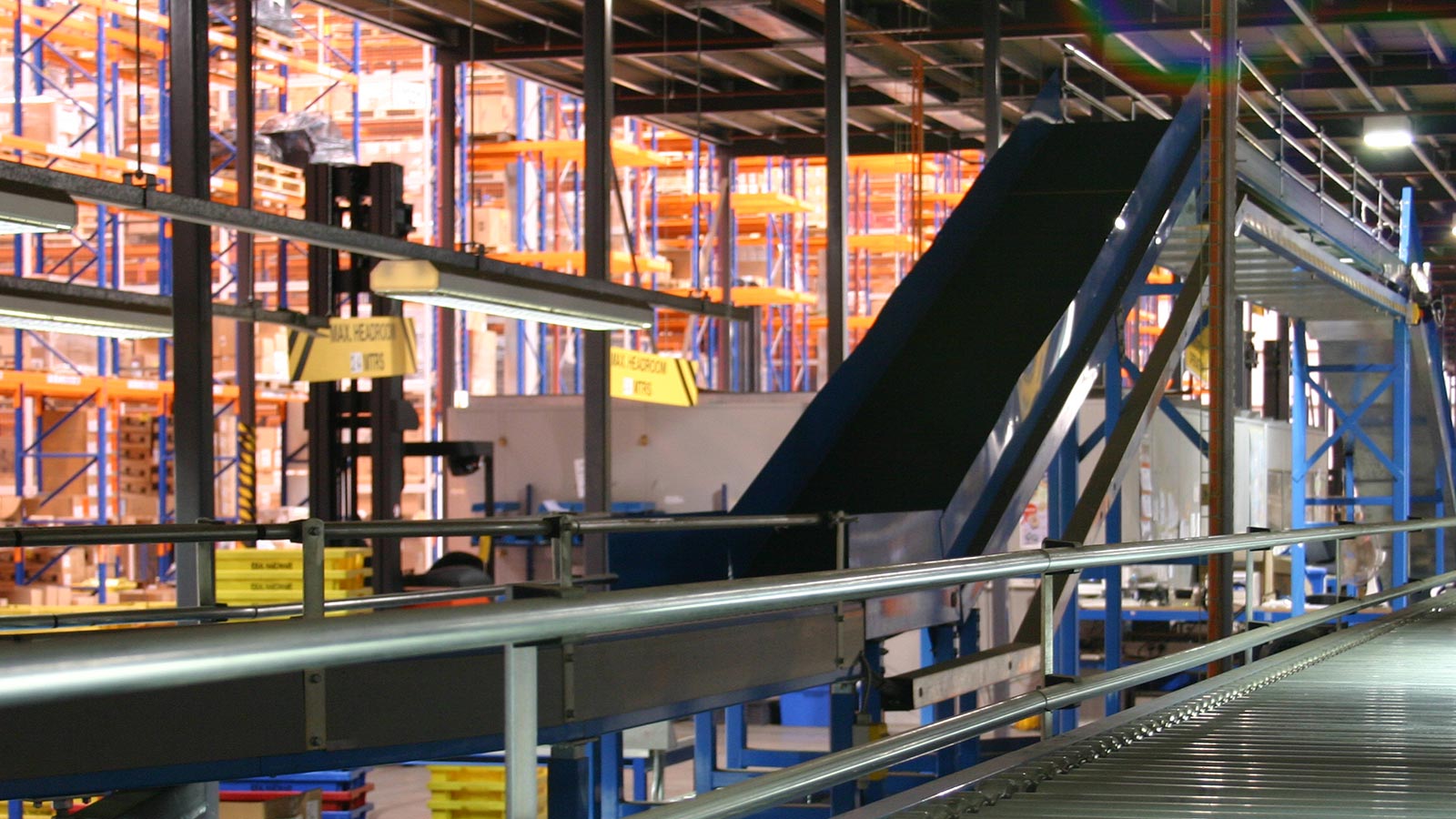
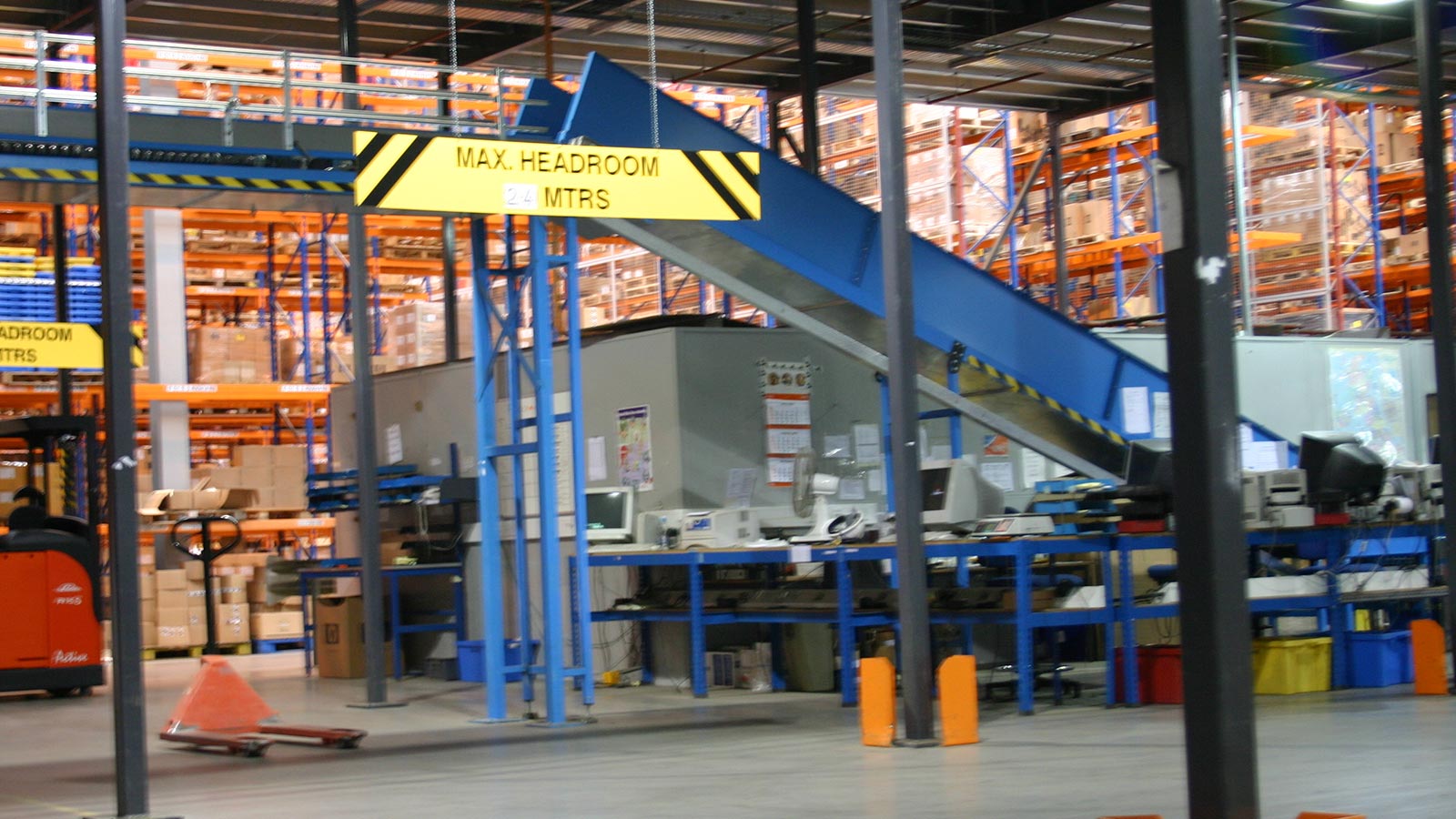
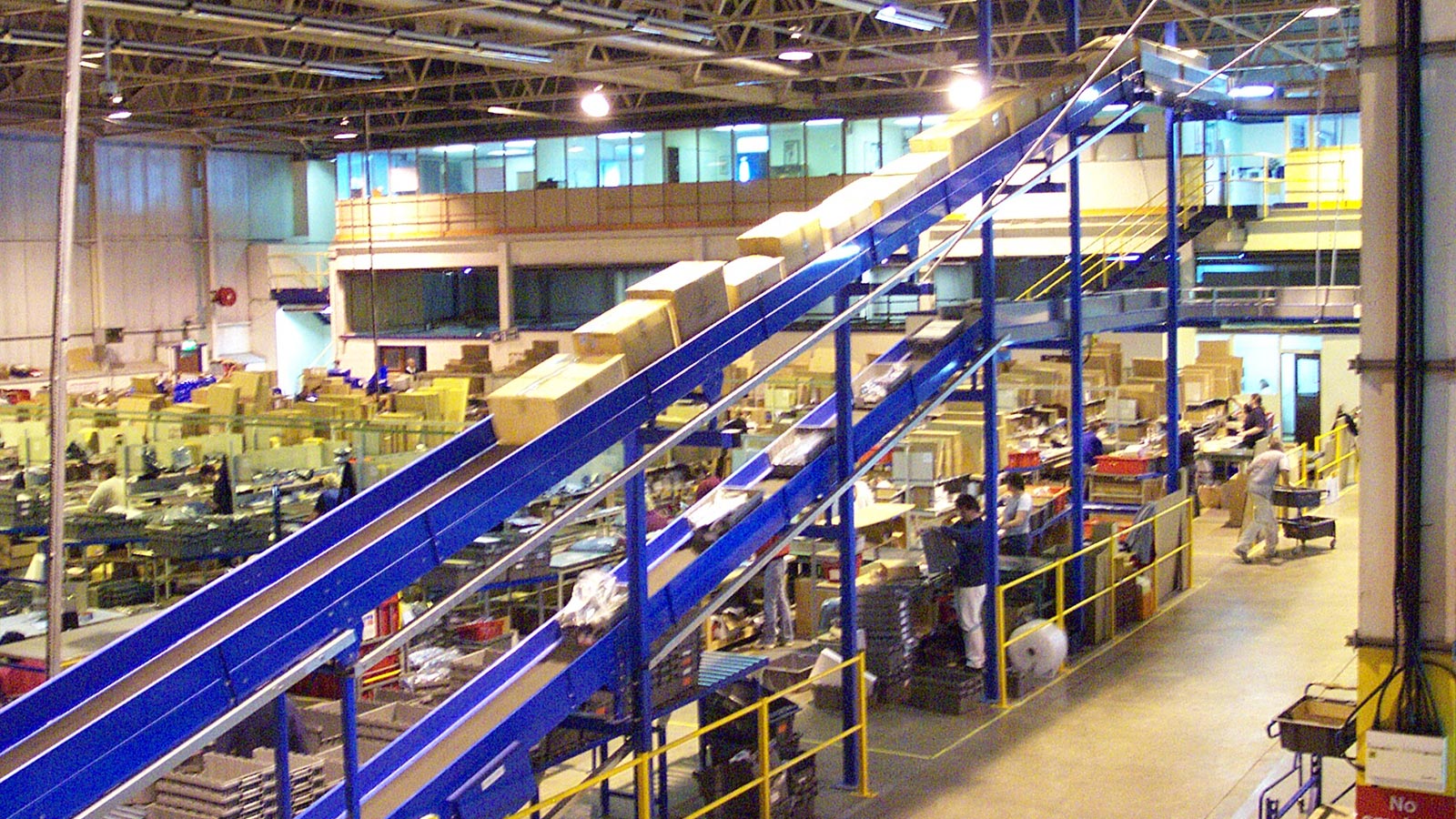
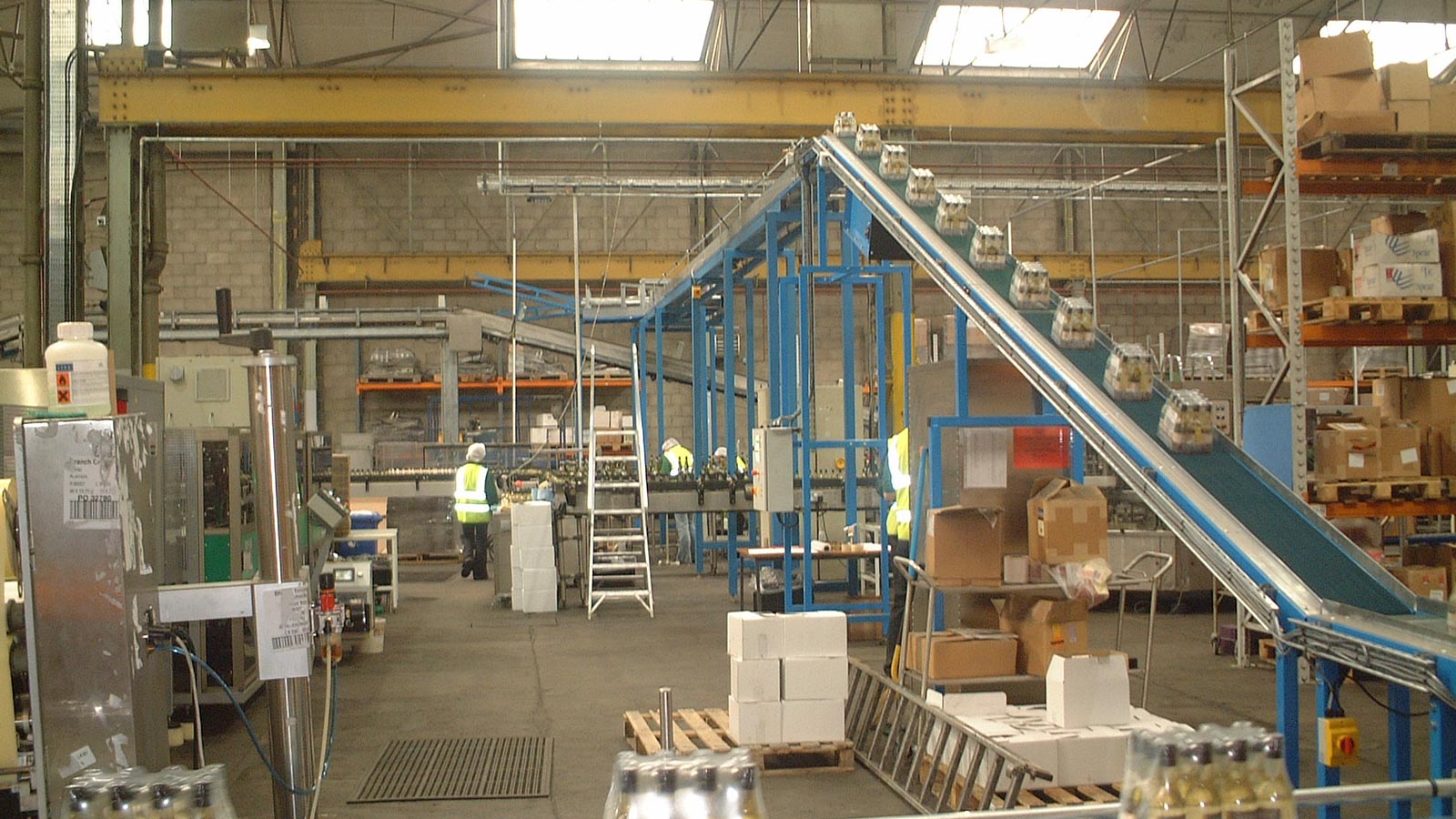
Incline / Decline straight belt conveyors are usually used for moving goods between floors within a building, e.g. onto a mezzanine floor.
They provide a lower cost alternative to a goods lift often with the added benefit of a higher throughput.
The use of ‘rough top’ or ‘grip face’ belts enables traction between the belt and the goods to be maintained on a slope.
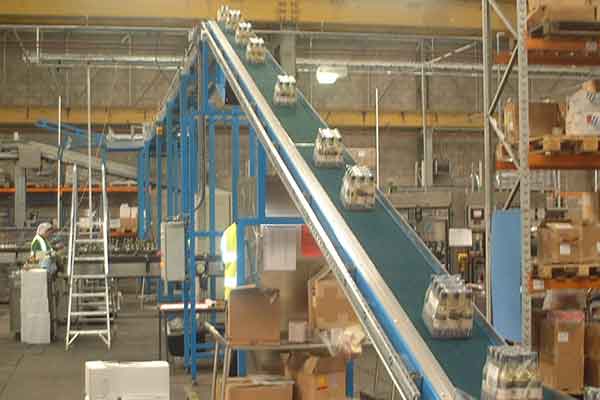
Mezzanine Floor Incline Conveyors
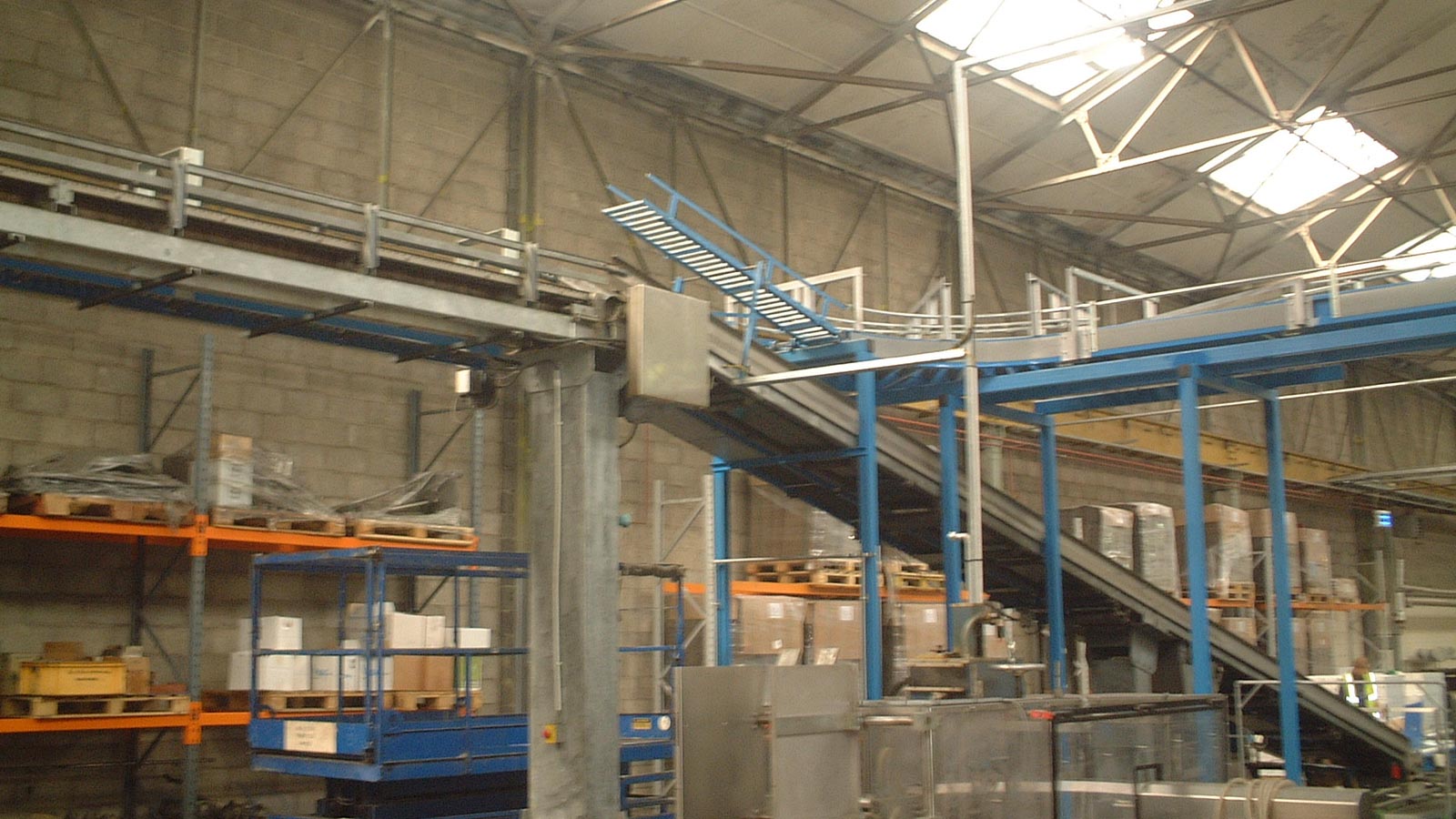
Mezzanine floor incline conveyors are used for moving products between floors within a building. They provide a very cost effective alternative to a goods lift and have the added advantage that they can operate continuously thus giving a higher throughput.
- Dimensions: Various widths, lengths and elevations available to suit
- Reversible
Swan Neck Conveyors
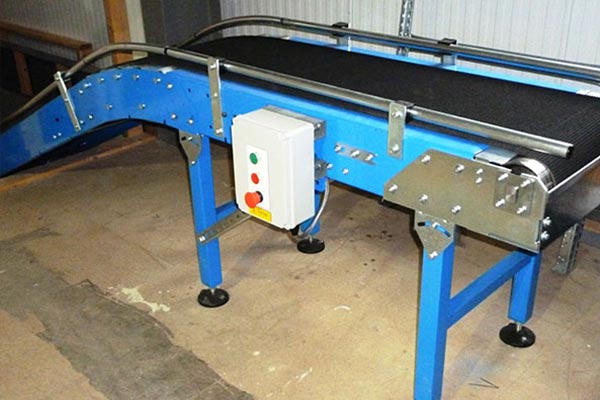
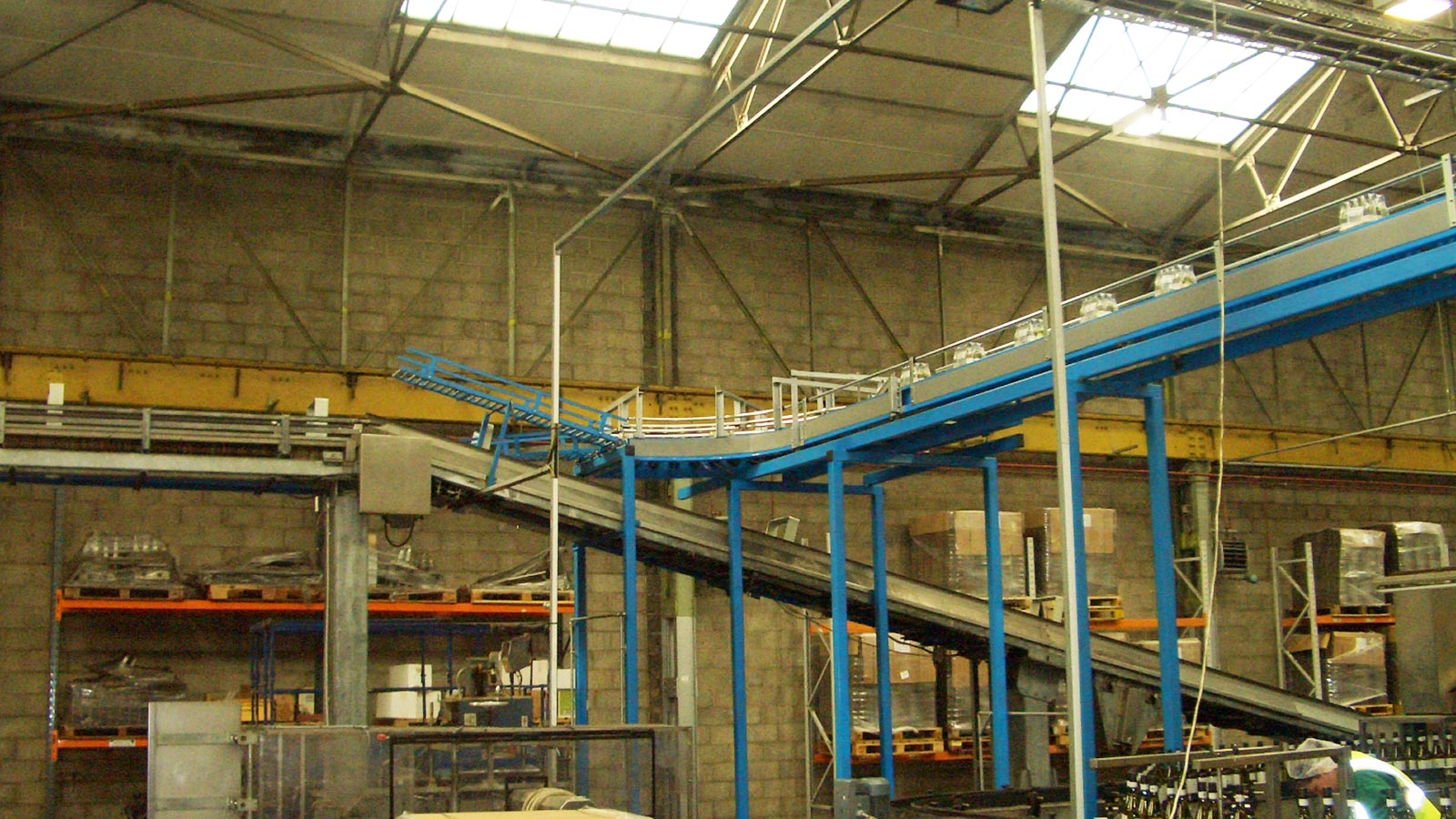
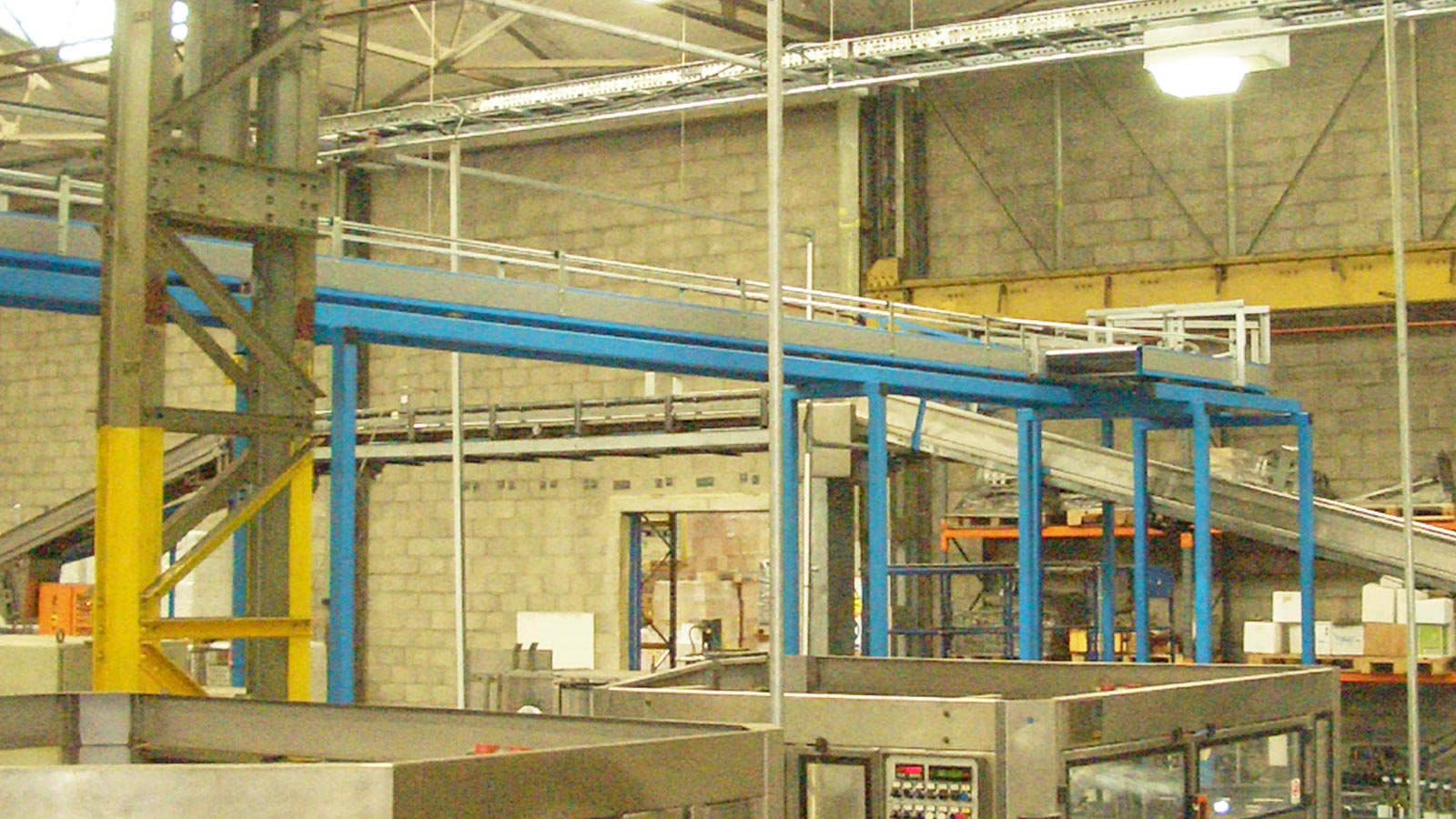
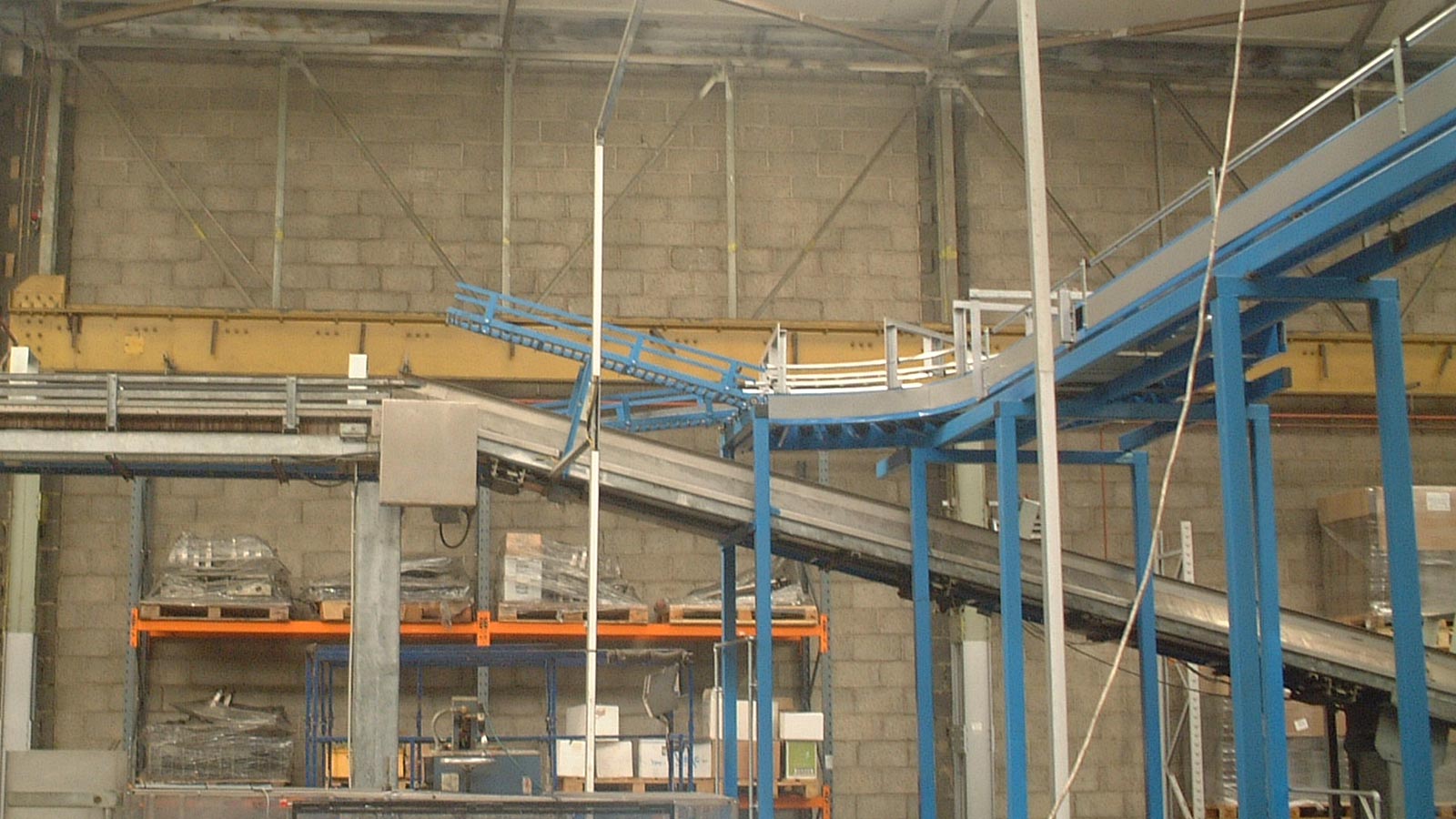
Swan Neck Conveyors are essentially incline / decline belt conveyors with a horizontal section at the upper end.
They are often used as feeders for delivering loose material into a receptacle such as a hopper or silo.
The horizontal section at the top acts as a bridge over obstructions like the support structure or side frame of the receptacle.
Curved and Spiral Belt Conveyors
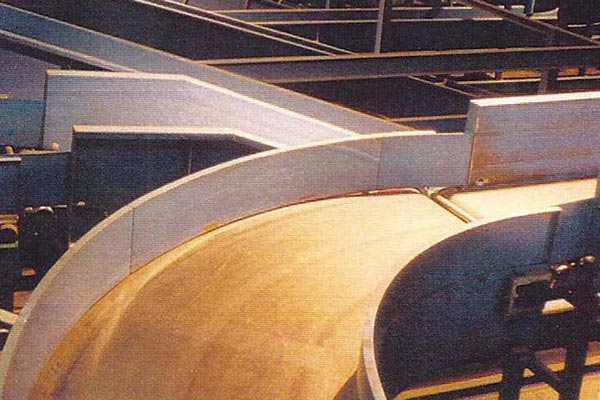
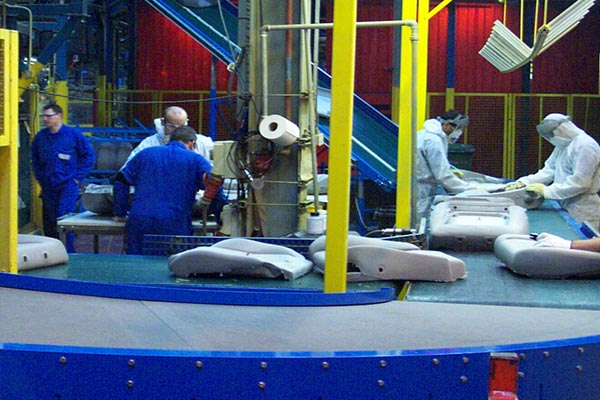
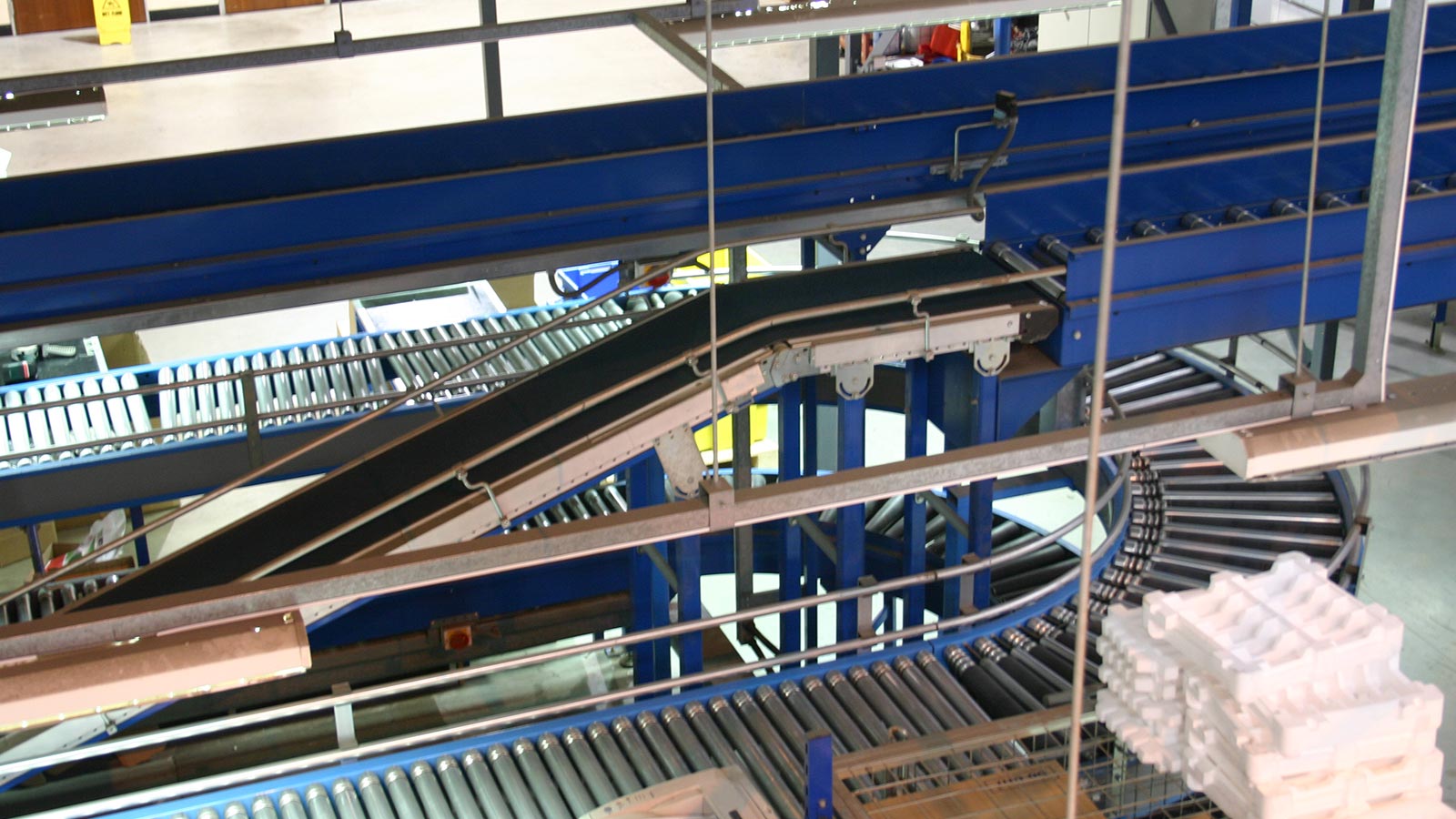
Belt bends, often called belt curves, convey products around corners while maintaining product spacing and orientation.
Spiral belt curves, as the name suggests, do the same while also changing the elevation of the product.
This can be very useful where there is limited space in a building because the footprint of a spiral belt conveyor is usually less than that of an incline/decline straight conveyor.
Amber Automation can supply either a standard belt curve, via the Gramac Quartz division of Amber Industries Ltd., or if none of these fits the bill a bespoke belt curve can be designed and manufactured. See our Powered Belt Curves
The great variety of applications and types of belt conveyor makes it impractical to offer a fully standardised range from which to select. Instead the collective experience and expertise of the team of engineers at Amber Automation enables it to offer a bespoke design service and then manufacture belt conveyor equipment precisely matched to our client's specific requirements.
Frequently Asked Questions About Level & Incline Belt Conveyors
Belt conveyors are mainly used for moving light to medium weight goods and can handle irregular-shaped or semi-solid items. Typical loads include packages, bags or sacks containing powder or granular material, bundles or stacks of flexible material, and individual items of varying shapes and sizes.
A belt conveyor can be suitable where the product does not have the rigid, flat underside generally required to gain traction on a powered roller conveyor. Belt conveyors are also useful for small items that could fall between conveyor rollers and for fragile products that benefit from smooth movement.
Amber Automation's range includes level straight conveyors, incline and decline straight conveyors, mezzanine floor incline conveyors, swan neck conveyors, and level or spiral curved belt conveyors. Belt conveyors can be designed and manufactured to suit the requirements of the particular application.
Level straight belt conveyors can be driven by a geared motor unit or, for lighter-duty applications, by a motorised drum or roller. The belt typically operates over a slider bed, although rollers can be used beneath the belt on very long or high-speed conveyors to reduce friction.
Amber Automation lists light and medium-duty belt conveyors with capacities up to 50 kg per metre and heavy-duty conveyors with capacities of 200 kg per metre and above. The appropriate conveyor specification depends on the particular load and application.
Incline and decline belt conveyors are commonly used to move goods between different elevations, including between floors within a building or onto a mezzanine floor. Amber Automation notes that they can provide a lower-cost alternative to a goods lift while also offering continuous operation and potentially higher throughput.
Amber Automation can use rough-top or grip-face belts on inclined conveyors. These belt surfaces help maintain traction between the conveyor belt and the goods while they are being transported on a slope.
A swan neck conveyor is essentially an incline or decline belt conveyor with a horizontal section at its upper end. It is often used to feed loose material into a receptacle such as a hopper or silo, with the horizontal section allowing the conveyor to bridge structures or other obstructions around the receptacle.
A standard belt curve transports products around a corner while maintaining their spacing and orientation. A spiral belt curve also changes the direction of travel but simultaneously changes the product's elevation. Spiral curves can be particularly useful where floor space is limited because their footprint can be smaller than a straight incline or decline conveyor.
Yes. Because belt conveyor applications vary considerably, Amber Automation offers a bespoke design and manufacturing service rather than relying solely on a fully standardised range. Conveyor widths, lengths, elevations, drive arrangements and other features can be selected or designed to suit the specific application.