Control Systems for Automation
Just as crucial to the efficient functioning of any conveyor system as the mechanical hardware is its control system.
Depending upon the complexity of the conveyor system, control systems can range from simple start stop boxes to multiple control panels incorporating state-of-the-art PLCs and HMI’s regulating numerous input and output devices, e.g. photocells, sensors, RFID, bar-code scanners, drive units etc. These provide a high degree of machinery control and enable the materials handing / conveying processes to be fully automated making them more efficient with resultant gains in productivity and ROI. Other features such as product tracking, system diagnostics, maintenance alarms and remote monitoring can be incorporated.
The ability of modern PLC’s to communicate with each other means that a conveyor system can be integrated into larger automated process plants if required.
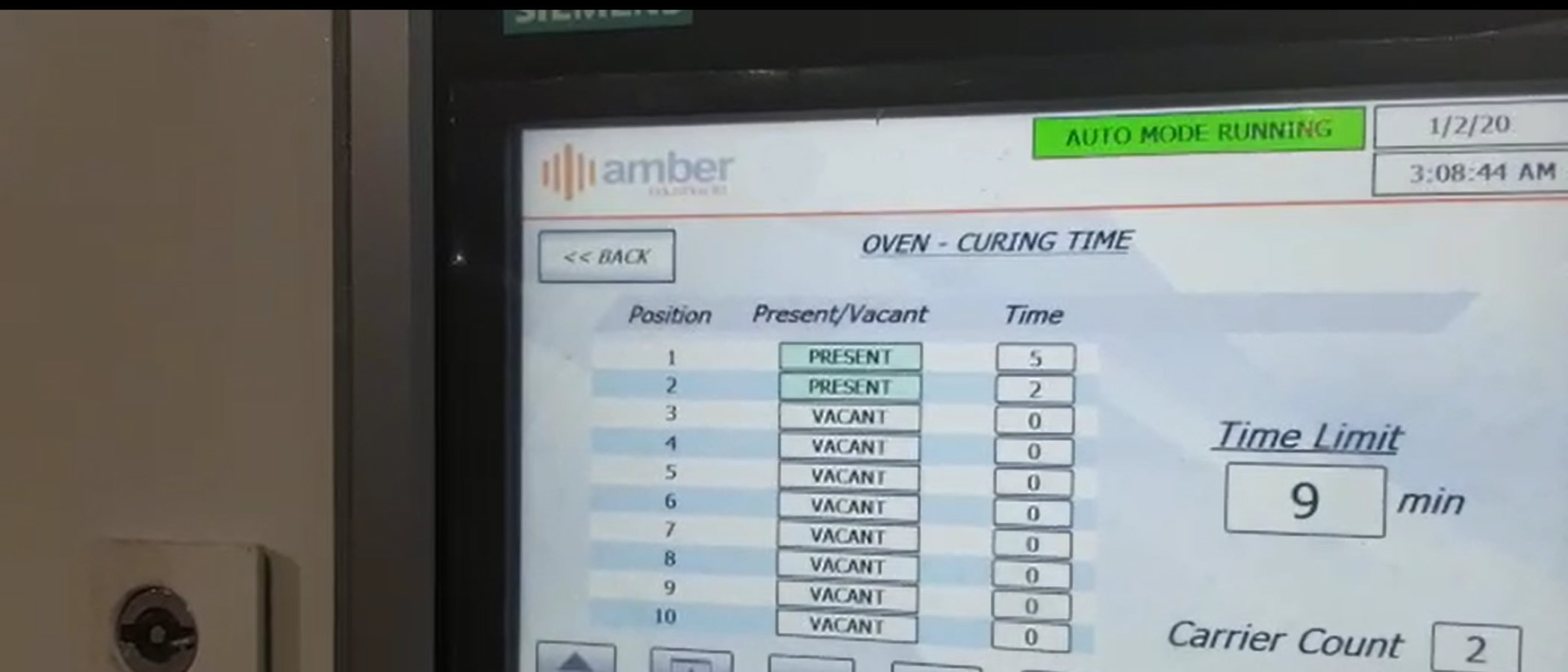
More often than not these control systems are designed with one or more HMI built into then, thus the operator has a graphical representation of the operation and the ability to interrogate and diagnose faults early. Management data can also be provided e.g. error logging, throughput, product traceability, system downtime etc.
Our controls systems team have the know-how to design and implement bespoke control systems for any size and complexity of automated conveyor or material handling system. In the process we will ensure that the performance of all hardware is optimised. PLC manufacturers we have experience with include Siemens, Rockwell/Allen Bradley, Mitsubishi and Omron.
Frequently Asked Questions About Control Systems for Automation
A conveyor control system manages the operation of a conveyor and its associated equipment. Depending on the complexity of the installation, this can range from simple start-stop controls to a multi-panel system using PLCs, HMIs and multiple input and output devices.
Amber Industries can design and implement control systems ranging from simple start-stop controls to complex multi-panel systems incorporating PLCs, HMIs and numerous input and output devices. Systems can be developed for automated conveyor and materials handling installations of varying sizes and levels of complexity.
A programmable logic controller, or PLC, controls and coordinates the different inputs and outputs within an automated conveyor system. PLCs can manage equipment such as sensors, photocells, drive units, RFID equipment and barcode scanners, and can communicate with other controllers within a larger automated process plant.
A human-machine interface, or HMI, gives operators a graphical view of the conveyor system and allows them to interact with its controls. HMIs can help operators monitor system operation, interrogate the installation and identify faults at an early stage.
Yes. Conveyor control systems can incorporate devices including photocells, sensors, RFID equipment and barcode scanners. These can be used to detect products, identify loads and support product tracking and automated control functions.
Yes. Control systems can incorporate product tracking, system diagnostics, maintenance alarms and remote monitoring. These features provide greater visibility of system operation and can help operators and maintenance teams identify issues more quickly.
Control systems can provide management information such as error logs, throughput data, product traceability information and system downtime. This can provide useful information about conveyor operation and overall materials handling performance.
Yes. Modern PLCs can communicate with each other, allowing an individual conveyor system to be integrated into a larger automated process plant. This enables conveying equipment to operate as part of a wider coordinated production or materials handling process.
Amber Industries has experience with PLC technology from manufacturers including Siemens, Rockwell/Allen Bradley, Mitsubishi and Omron.
Yes. Amber Industries can design and implement bespoke control systems for automated conveyor and materials handling installations, from relatively simple systems through to complex multi-panel automated controls.